





Nettles: the new must-have garden feature?
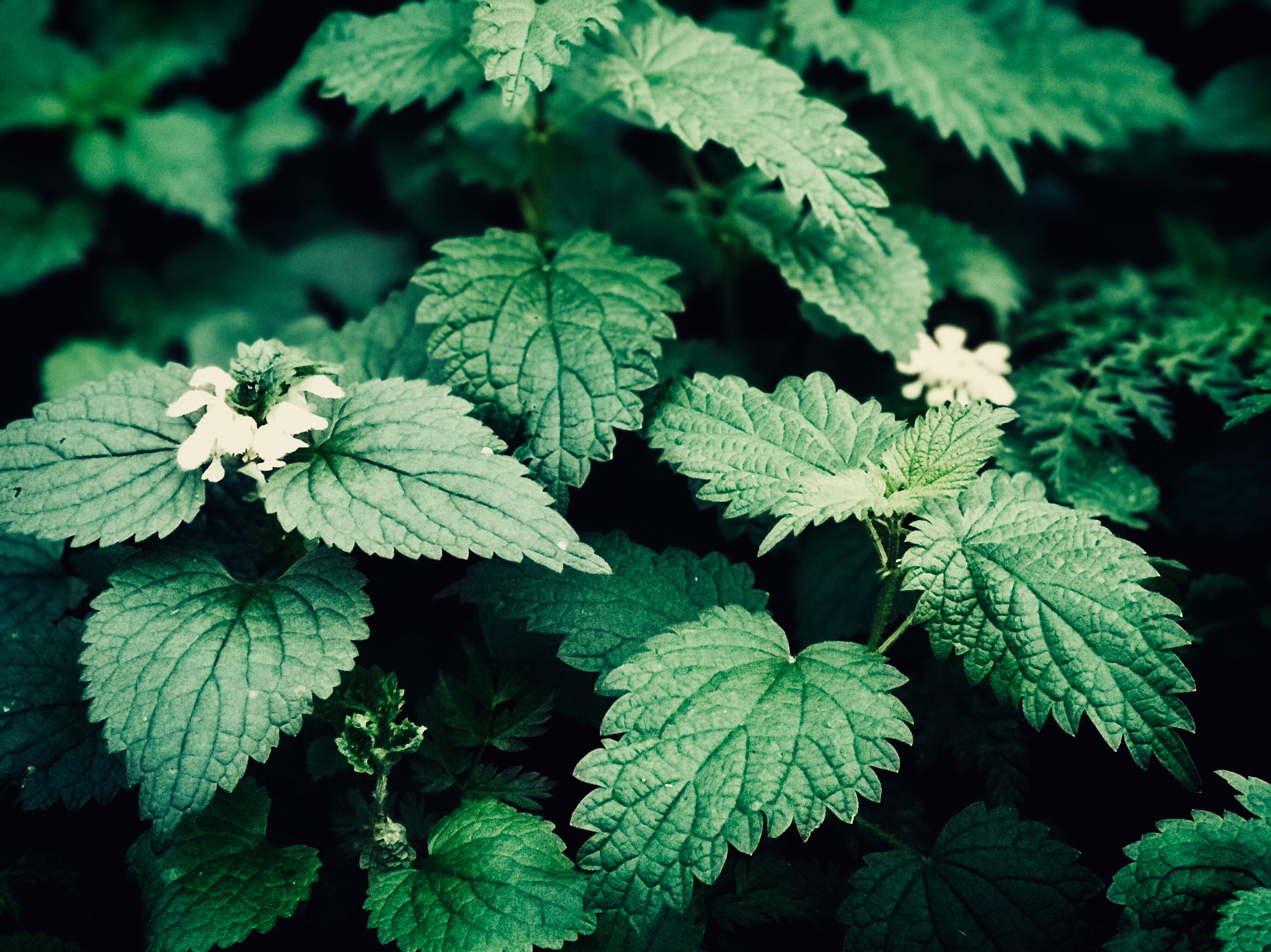
Traditionally thought of as weeds, nettles are apparently receiving a warm welcome in some gardens. One online nursery is now selling nettles for £7.99, claiming that all of their initial stocks have been exhausted by eager shoppers.
It seems gardeners are now choosing nettles because they attract wildlife. Nettles are apparently especially popular with urban gardeners because the plant is part of the diet of caterpillars. By feeding caterpillars with nettles, gardeners can attract Red Admiral, Peacock, Comma and Small Tortoiseshell butterflies.
And if the wildlife angle isn’t enough, nettles can also be used as a foodstuff for people. Historically nettles have been used in teas and soups as an herbal remedy for centuries. High in vitamins A and C, and minerals such as iron, potassium, manganese and calcium, nettles offer a number of beneficial nutrients. However rather than eating the stems raw, gardeners are encouraged to use nettle leaves to makes teas or soups. And making sure that all harvesting and handling takes place wearing sturdy gloves!
Whether this new interest in weeds as garden plants is sustained, only time can tell. However commenting on the demand for nettles by gardeners, expert Chris Bonnet said, “Some call them weeds but we don't want to hurt their feelings. After all, a weed is only a plant in the wrong place.”


