






The plants around us - Guayule rubber
We’ve previously written about the traditional production of rubber from plantations of the Amazonian rubber tree Hevea brasiliensis. It may come as a surprise that rubber is also produced commercially from a perennial plant closely related to feverfews and other members of the Asteraceae family.
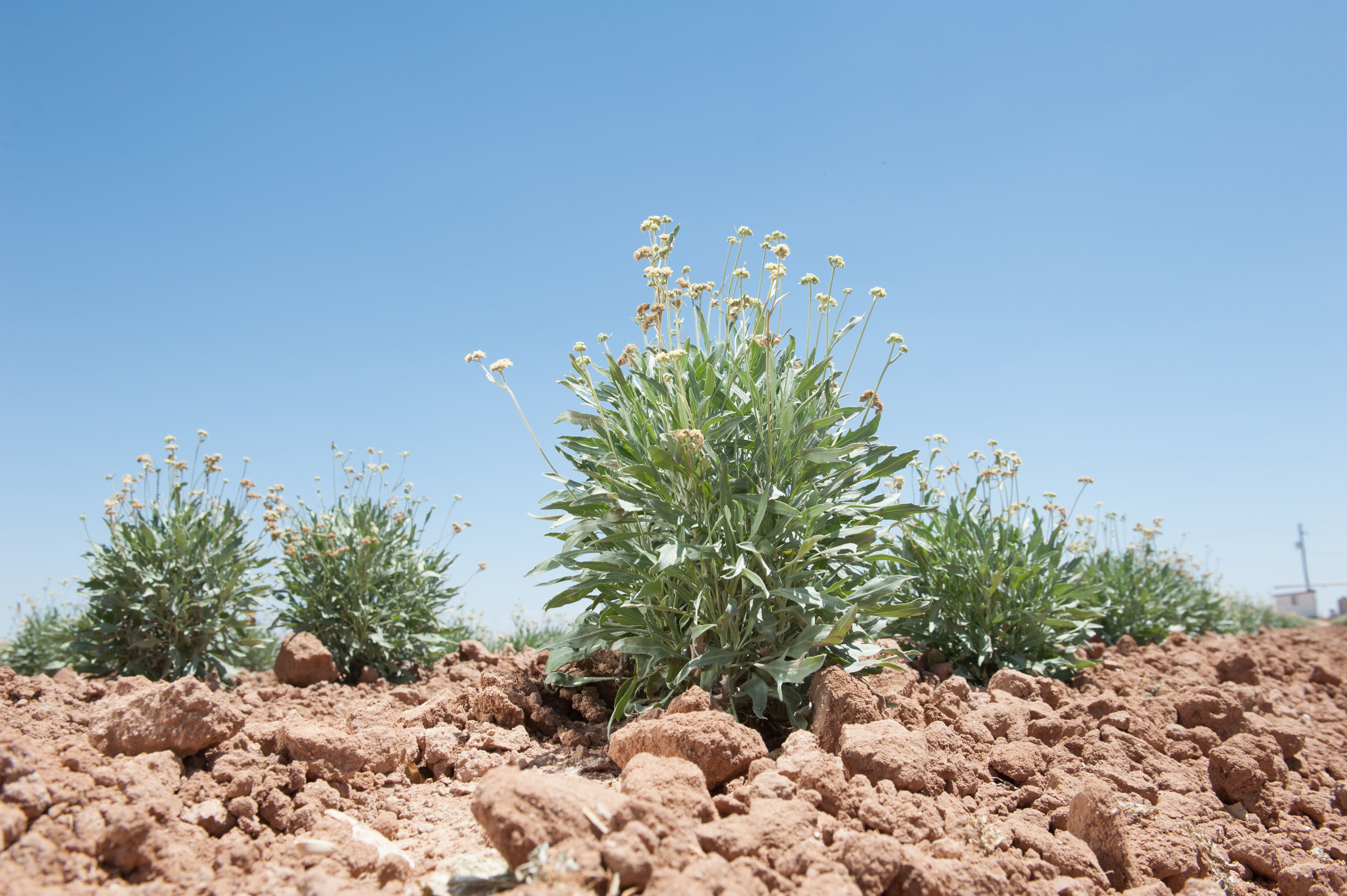
Parthenium argentatum, colloquially known as guayule, a perennial woody shrub indigenous to the Chihuahuan Desert, is spread across regions of the southwestern United States and northern Mexico.
As a xerophyte this plant has adapted to cope with incredibly dry conditions, an adaptation made possible through the reduction of leaf size, and hairy, waxy surfaces. A large root system comprising of a long tap root as well as extensive lateral roots, ensure its survival in the harsh desert conditions.
Historically, guayule has been recognized for its industrial potential in natural rubber production and unlike traditional Hevea brasiliensis rubber, guayule-derived latex offers a hypoallergenic alternative. Commercial interest in guayale production has waxed and waned throughout the last century. Notable periods include the 1920s and World War II when traditional rubber supply routes were disrupted. Modern research now focuses on its potential as a sustainable product with several companies exploring applications in tyre manufacturing and specialized industrial products.
Potential use as a biofuel is also being investigated. Unlike many other biofuels, guayule can be cultivated in marginal second-rate agricultural land, offering a sustainable alternative that doesn’t compete with food production. High-yielding cultivars have been developed which will help research into eco-friendly sporting goods as well as advanced scientific biomaterials.


