




Volcanic activity

Every spring sees frenzied activity on a corner of the Genus HQ lawn. Flying at low level are a dozen or so ashy mining bees searching for new mates and new plots in which to create their subterranean nests. Congregating together in the same spot each year, they’re actually a solitary bee species as are all of the other 67 species of mining bee we see in the uk. Though giving the impression of a colony, they create their individual tunnel-nests and lay their eggs without any of the social hierarchy seen in other bee species.
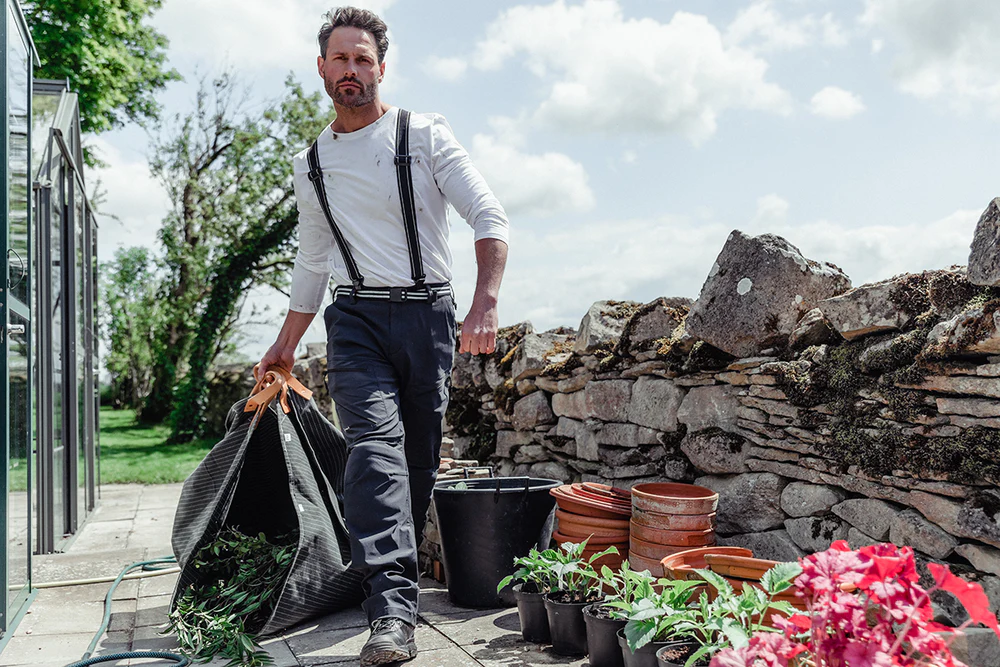
‘Ashy’, ‘hawthorn’, and ‘early’ are just a few of the species we can expect to see as well as the common tawny mining bee (pictured) which hitched a lift on our trug-bucket this week. Before laying her eggs the female digs a tunnel creating miniature volcanoes of soil on the lawn in the process. She then lays about 5 eggs leaving each with a food parcel of nectar and pollen. The eggs develop into larvae before pupating and growing into an adult which remains underground before emerging the following spring. Immune to passing lawnmowers they live out their lives returning year after to the same sheltered corner of the lawn.


The monthly read for gardeners who want to go deeper.
Thirty-odd issues in, Potpourri Magazine is the gardening magazine people forward to their friends. Plant folklore, exceptional gardens, horticultural heroes, and the odd exclusive deal — once a month, free, straight to your inbox.
Free, monthly, unsubscribe any time. No spam, ever.
Something went wrong — please check your email address and try again.
Almost there — check your inbox.
We've sent you a confirmation email. Click the link in it to complete your subscription to Potpourri Magazine.


