






An Ode to Phlox
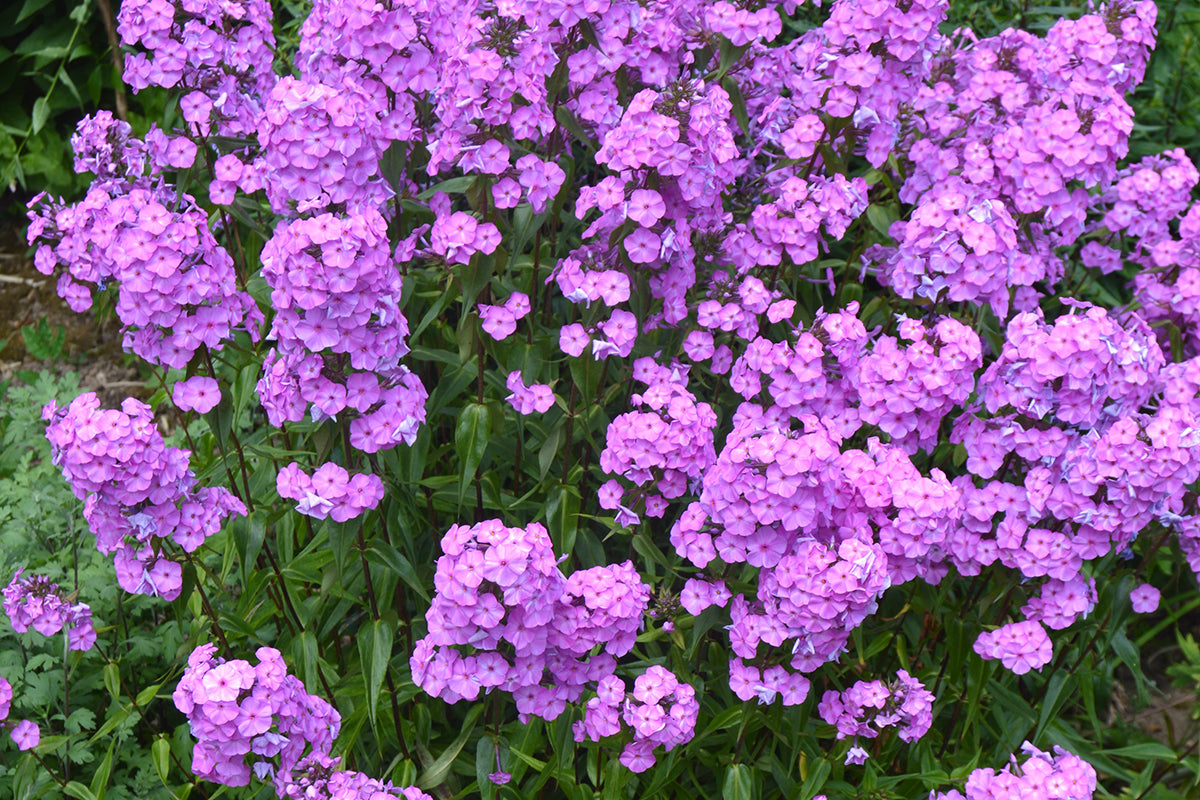
“Life without phlox is not worth living” said the German gardener, nurseryman, plant breeder and writer, Karl Foerster. This year is the 150th anniversary of his birth, and has been marked by much celebration and discussion in Germany. In Weimar Germany, Foerster was someone of enormous cultural importance, comparable in stature to a leading musician, artist or composer, so when he said that about phlox, we can be sure that the whole nation listened, not just gardeners.
Phlox are a joy for that slightly awkward time between early summer, when everything seems to be in flower, and the late summer to autumn period when everything that wasn't in flower in June is. They are easy and adaptable perennials, which do best in a bit of shade, and fertile soil – and they don't like drying out - other than this, they are very easy and truly perennial.
They come in many colours, a legacy of a genepool that ensures that almost everything in a breeder's trial row is worth growing on. Indeed, such was the passion for them in the febrile atmosphere of Weimar Germany that there was a rapid turnover of varieties in response to changes in colour fashion, what might be in one year, might be commercially extinct in a few more.
Nurseries today continue to produce new varieties apace. What they all have in common is scent, a slightly ethereal, slightly peppery, delicate scent that seems perfect for steamy summer nights. There's a range of flowering times, and if you follow Foerster's advice and 'Chelsea chop' a few stems from each clump, you get an even longer season of flower.
Dr Noel Kingsbury
Pictured: Phlox glaberrima is smaller than most modern varieties, with more delicate flower heads and foliage. It used to flourish in the heavy loam of my former Herefordshire garden.


