







The plants around us - plant-based packaging
Plant based packaging is becoming increasingly popular, moving away from the regular wood-pulp cardboard box and plastic bubble wrap to more ingenious and imaginative uses of plant based materials. From fungi to bananas and from the oceans to the deserts plants are proving to be a valuable resource in all aspects and areas of an ever demanding industry.
Packaging, derived from mushroom roots, the mycelium, has proved popular for protective packaging with impact resistance comparable to expanded polystyrene while being fully home compostable within 45 days.
Seaweed
Algae-derived films and coatings have been developed to offer seaweed-based sachets for condiments and beverages that dissolve completely, leaving no microplastic residue.
Bamboo
Bamboo's rapid growth and minimal cultivation requirements make it a perfect renewable material for rigid packaging and moulded containers.
Sugarcane
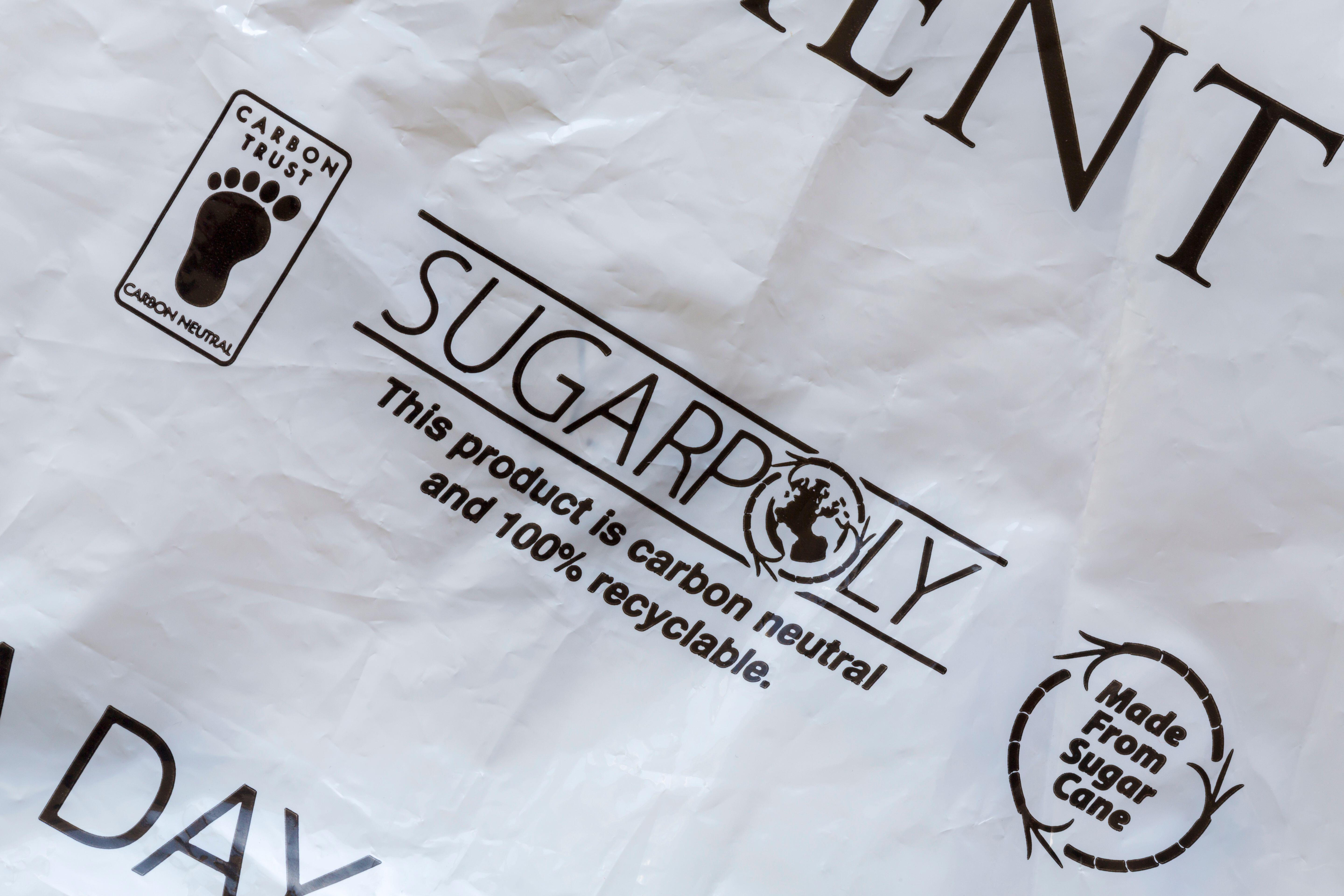
Sugarcane ‘bagasse’, a dry, pulpy, fibrous, by-product of sugar production, is increasingly used in the production of food service containers. These moulded fibre products withstand heat and moisture while remaining compostable.
Cactus
Mexican researchers have developed bioplastic from cactus that biodegrades within three months while requiring very little water input during cultivation, offering ideal opportunities for arid regions.
Polylactic acid is a derivative of corn starch and is probably the most popular plant based alternatives in the bioplastic industry. It’s especially popular for transparent food packaging and cold beverage cups. Recent work has improved heat resistance, enabling its use in hot food applications.
Wheat
Agricultural waste from wheat harvests is being transformed into packaging paper with excellent performance matching wood pulp. Its use simultaneously reduces agricultural waste and preserves forest resources.
Banana
Fibres extracted from banana stems and leaves, an agricultural waste, are being manufactured into cushioning materials and paper products giving excellent protective properties for fragile items.
Coconut
Coir fibre from coconut husks provides another alternative for protective packaging. Biodegradable and resilient, it's a material that would otherwise be discarded.
Rice husks combined with biodegradable binders create rigid containers with excellent insulating properties, providing sustainable alternatives for temperature-sensitive products.


